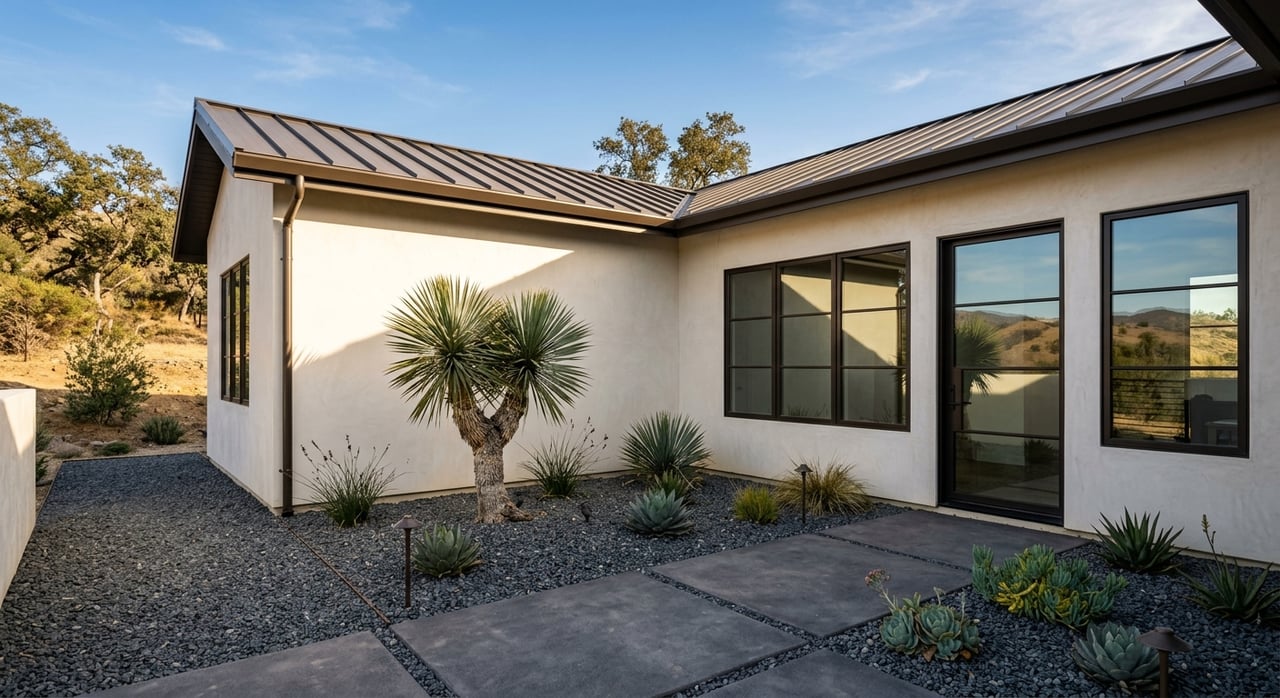
Buying Or Rebuilding After A Wildfire In Los Angeles
May 14, 2026
May 14, 2026
When a wildfire changes your housing plans, the next step can feel overwhelming. You may be weighing a purchase, a rebuild, or a temporary move while also dealing with insurance, permits, and daily life. The good news is that Los Angeles has a growing network of local recovery tools, and with the right guidance, you can make a smart decision that fits your timeline and goals. Let’s walk through what to know.
Before you decide whether to buy or rebuild after a wildfire in Los Angeles, get clear on the property’s actual condition. A burned lot, a smoke-affected home, and a fully rebuilt property each come with very different timelines, costs, and paperwork.
That distinction matters even more on the Westside, where the exact address determines which city or county recovery system applies. A property in the City of Los Angeles may follow a different portal, permit path, and support center than a nearby LA County property or an independent city address. If you are looking in areas like Brentwood, Pacific Palisades, Santa Monica, or neighboring Westside communities, parcel-level details are essential.
In real life, most people do not make a clean yes-or-no choice right away. The more practical sequence is to secure short-term housing, confirm what insurance will cover, and review rebuild feasibility before deciding whether to buy elsewhere, rebuild in place, or sell.
Los Angeles County recovery resources can help you bridge that gap. LA County Recovers offers rebuilding guides, permit center information, recovery center support, and a 24/7 mental health hotline. 211 LA can connect you with housing, food, transportation, and income assistance, while the Red Cross may help with shelter, food, water, emotional support, and referrals.
For many households, temporary housing is the first pressure point. A curated local lease list can be useful, but it should support official housing resources rather than replace them. If you need to move quickly, having both options can give you more flexibility.
Insurance often shapes the entire decision. The California Department of Insurance advises wildfire survivors to file claims promptly and keep receipts for recovery-related costs, including temporary housing.
If your home is uninhabitable, Additional Living Expense coverage, also called Loss of Use, may help pay for food, relocation, storage, and higher housing costs. After a declared state of emergency, most residential property policies must provide at least 24 months of ALE coverage by law, though you can still hit your policy limit sooner.
Smoke damage is another issue that deserves careful attention. A house may still be standing and look fine at first glance, but smoke and ash can affect habitability, cleanup costs, and insurance outcomes. The California Department of Insurance has said insurers should fully investigate smoke claims and pay for professional testing when that testing is warranted.
If you are buying with a mortgage, insurance availability also affects financing. Lenders generally require proof of homeowners insurance, so buyers should not wait until the last minute to confirm coverage options.
Some Los Angeles homeowners and buyers may need to explore the California FAIR Plan if traditional coverage is not available. This can be an important backup, but it is not a complete substitute for a standard homeowners policy.
According to the California Department of Insurance, the FAIR Plan provides limited fire and smoke coverage and requires additional policies for risks like water damage and liability. That means you should understand the full insurance stack before you buy or commit to a rebuild budget.
It is also worth knowing that California has a one-year nonrenewal or cancellation protection in affected wildfire areas. So if a fire happened nearby, do not assume you are automatically without options.
If you are considering a fire-affected home in Los Angeles, due diligence matters more than cosmetic presentation. A clean interior or a fresh coat of paint does not tell you the whole story.
California buyers should expect standard disclosures, including the Transfer Disclosure Statement and Natural Hazard Disclosure materials when a property is in a mapped hazard area. But for a fire-affected property, you should also ask for:
For burned properties, debris clearance and final signoff are especially important before you treat the lot as ready for normal use or rebuilding. In Los Angeles, debris removal and clearance are not just cleanup tasks. They are part of the official rebuild path.
A typical home inspection may not be enough when wildfire smoke, soot, or ash is part of the picture. Smoke can move through a house in ways that are easy to miss during a routine walkthrough.
If you are evaluating a standing home after a nearby wildfire, consider professional assessments for:
This is one of the biggest reasons local guidance matters. You want to know whether the home is truly ready to live in, what work was completed, and whether documentation supports those repairs.
Before you buy or rebuild, look up the address on CAL FIRE’s Fire Hazard Severity Zone maps. These maps show whether a parcel is in a moderate, high, or very high hazard area.
That said, these are hazard maps, not property-specific risk scores. They do not fully account for things like home hardening or fuel reduction. Use the map as a starting point for better questions, not as the final answer.
For buyers on the Westside, this is especially helpful when comparing neighborhoods, hillside lots, or homes near open space. It can shape both your insurance planning and your expectations for future upgrades.
If you plan to rebuild, the first thing to know is that Los Angeles does not have one single process for every property. The permit path depends on jurisdiction.
The City of Los Angeles has one-stop support centers and a streamlined rebuilding process for the Palisades area. LA County runs separate one-stop permit centers, eCheck tools, and rebuild guidance. That means your exact address determines which office, portal, and clearance sequence applies.
This is where an experienced local advisor can be valuable. When you are comparing a like-for-like rebuild, an updated redesign, or a move to another Westside neighborhood, the practical details matter just as much as the emotional ones.
California’s Wildland-Urban Interface code sets minimum standards for new construction in wildfire-prone areas, and local jurisdictions can add their own requirements. In general, fire-resilient rebuilding may include:
These features can affect both cost and long-term resilience. They can also influence your design decisions if you are trying to balance aesthetics, budget, and future risk.
The City of Los Angeles has also introduced tools such as pre-approved standard plans, AI pre-plan checking, and self-certification tools for some projects. In some cases, rebuilding may move faster than owners expect, but it still depends on proper plans, approvals, and clearances.
For many fire-affected homeowners, the real question is not just can you rebuild. It is whether rebuilding still fits your lifestyle, finances, and timeline.
Buying elsewhere may make sense if you need certainty, want to shorten disruption, or prefer a move-in-ready home. Rebuilding may make sense if you love your location, want to create a more resilient home, and are comfortable with a longer process.
Here is a simple way to think about it:
| Option | May Be Better If You Want | Key Considerations |
|---|---|---|
| Buy another home | More immediate housing stability | Insurance, financing, disclosures, hazard review |
| Rebuild in place | To stay on your lot or in your neighborhood | Permits, debris clearance, design, timeline |
| Rent first, decide later | More time to evaluate options | Lease availability, ALE coverage, cash flow |
A thoughtful plan often starts with temporary stability. Once you know your insurance position, your permit path, and your housing options, the long-term decision becomes clearer.
This is where concierge service really matters. In a changing market, you need more than listings. You need neighborhood expertise, practical coordination, and a calm strategy.
Lauren Ravitz works closely with Westside clients who need thoughtful guidance through complex housing decisions, including relocations, buyer representation, and access to trusted local professionals. If you are exploring a purchase, evaluating a lot, or deciding whether to rebuild or move, having a relationship-driven advisor can help you move with more clarity and less stress.
Every wildfire recovery path is personal. If you need help thinking through your next move on the Westside, connect with Lauren Ravitz for discreet, knowledgeable guidance.
Stay up to date on the latest real estate trends.



Lauren delivers a full-service package to each of her clients with her connections to local businesses and influential people, with a finger on the pulse of the Los Angeles lifestyle, and with the outstanding resources at Berkshire Hathaway HomeServices. Lauren holds her relationships with clients in high regard and does so with honesty, integrity, and confidentiality.
11677 San Vicente Blvd Suite 307 Los Angeles CA 90049