Cheviot Hills Lifestyle Guide: Parks, Recreation And Local Flavor
July 2, 2026
July 2, 2026
Looking for a Westside neighborhood that feels calm at home but connected when you need to get out? Cheviot Hills stands out for exactly that balance. If you are trying to picture daily life here, this guide will walk you through the parks, recreation options, nearby dining and shopping, and the kind of lifestyle the neighborhood tends to suit best. Let’s dive in.
Cheviot Hills is part of the West Los Angeles Community Plan area, alongside West Los Angeles, Century City, Pico-Robertson, Rancho Park, and Sawtelle. City planning describes the Cheviot Hills Planning District as south of Twentieth Century Fox Studios, southwest of Century City, and adjacent to the Cheviot Hills Recreation Center and Hillcrest Country Club.
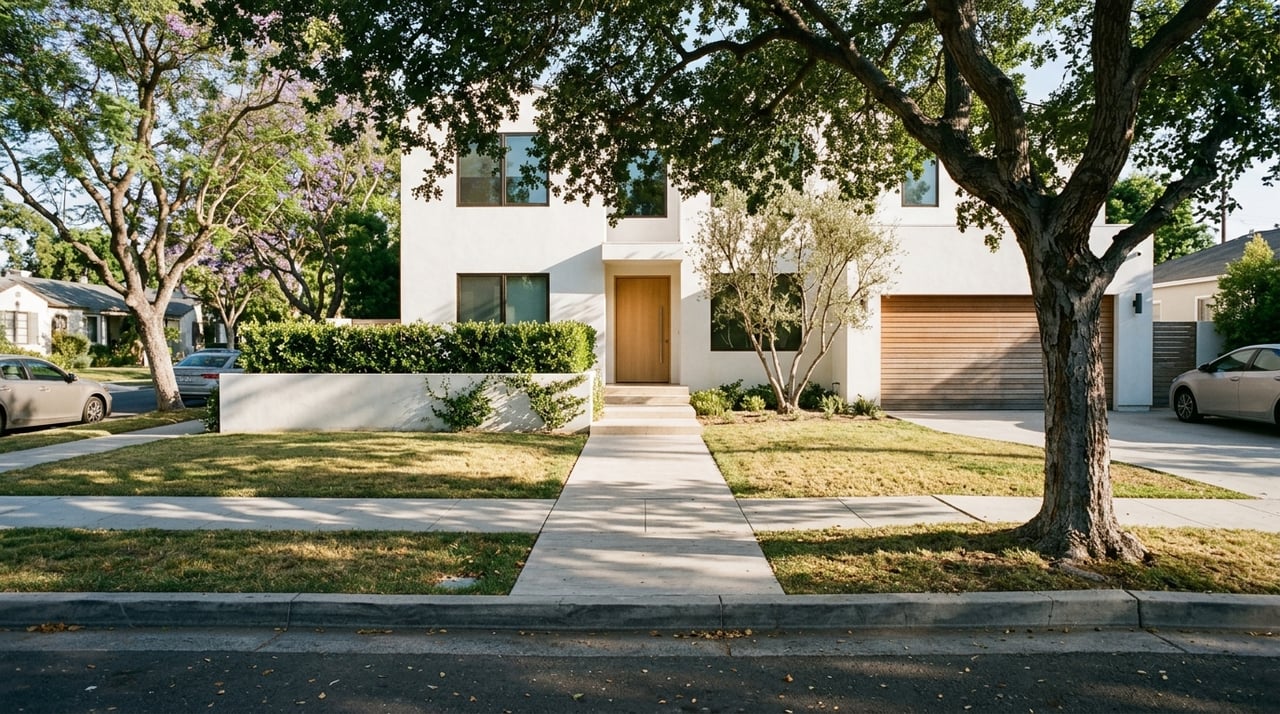
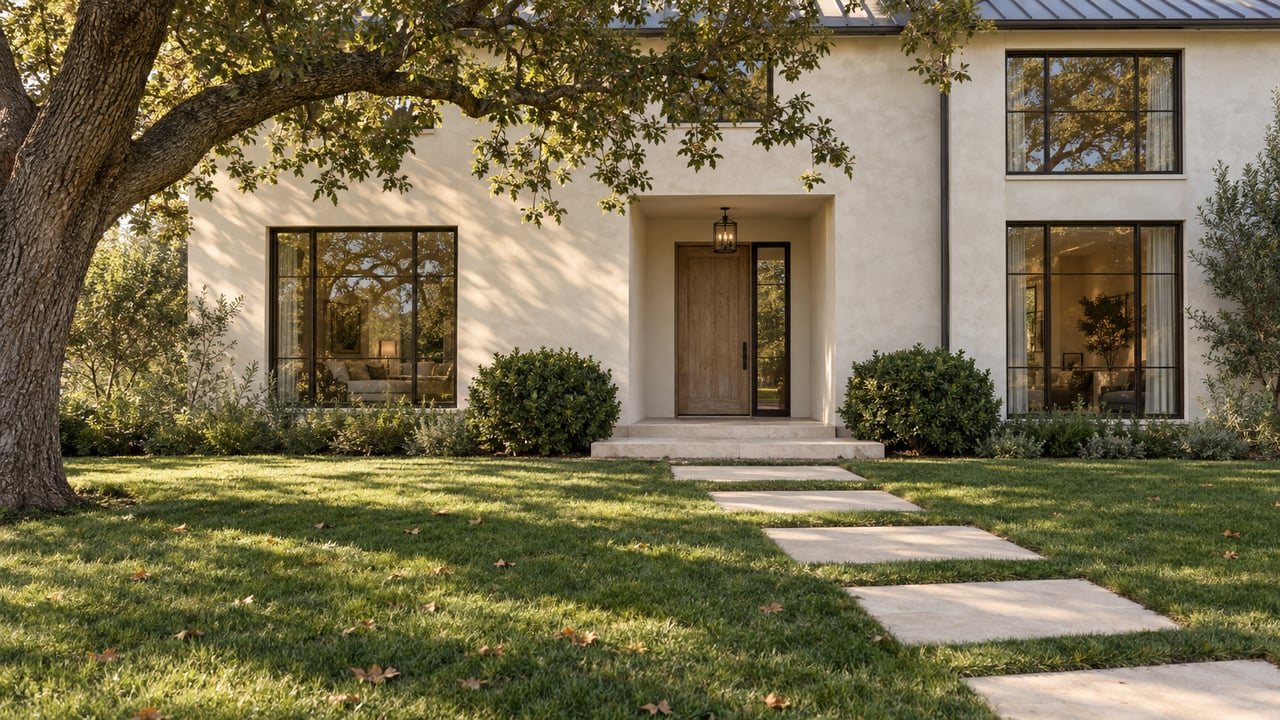
What gives the neighborhood its distinct feel is its physical setting. The area is primarily made up of single-family residences, with curving streets, mature trees, and a mix of architectural styles that create an established, leafy residential character.
The Cheviot Hills Homeowners Association notes that the neighborhood was originally developed in the 1920s and includes more than 1,400 single-family homes. It also points to the area’s location near Century City, Westwood, Beverly Hills, and Culver City, which helps explain why many buyers see it as a peaceful residential base with strong access to the rest of the Westside.
One of the biggest lifestyle advantages in Cheviot Hills is that recreation is not an afterthought. It is built into the neighborhood experience through major public amenities that support everything from casual weekends to organized activities.
The Cheviot Hills Recreation Center is the neighborhood’s main recreation hub. According to the City of Los Angeles, the center offers activities such as basketball, volleyball, baseball, soccer futsal, martial arts, pickleball, archery, and flag football.
The facility features also add to its day-to-day appeal. Amenities include barbecue pits, picnic tables, a children’s play area, community rooms, lighted tennis courts, an archery range, and a seasonal outdoor pool.
For many residents, that means the center can support more than just exercise. It can also shape weekend plans, after-school routines, and seasonal traditions through camps, classes, and events like the Spring Festival, Halloween Festival, Turkey Jam, and Winter Experience.
Rancho Park Golf Course is another major lifestyle anchor near Cheviot Hills. The City of Los Angeles describes it as an 18-hole, par-71 championship course located at 10460 W. Pico Blvd.
The course includes a clubhouse, lighted driving range, practice putting greens, rental clubs, cart rental, a coffee shop, snack bar, banquet room, and lessons. For buyers who enjoy golf or simply like having a major recreational amenity close by, that range of facilities adds real everyday convenience.
Rancho Park also carries a notable local sports history. The city states that the course opened with the 1949 U.S.G.A. Public Links Championship and later hosted eighteen Los Angeles Opens, along with LPGA and Senior tour events between 1978 and 1994.
Cheviot Hills does not read like a dense, highly commercial, grid-based neighborhood. City planning documents describe hilly terrain, curving roads, and a thick tree canopy, all of which contribute to a quieter and more residential outdoor feel.
In practical terms, that setting can make everyday walks feel more scenic and contained within the neighborhood fabric. Rather than long stretches of storefront-lined blocks, the experience is more about residential loops, green surroundings, and the edges of recreation-focused open space.
That distinction matters if you are comparing Westside neighborhoods. Cheviot Hills offers a more tucked-away, residential rhythm, while still keeping you close to larger destinations for shopping, dining, and errands.
Cheviot Hills itself is primarily residential, so much of the neighborhood’s commercial convenience comes from nearby districts rather than from a concentrated business corridor in the center of the neighborhood. For many buyers, that is part of the appeal.
You get a quieter home environment, while nearby destinations help cover the daily practical side of life. Two of the most relevant are Westwood Village and Westfield Century City.
Westwood Village describes itself as a walkable historic commercial area and a vibrant district with more than 260 neighborhood-serving businesses, retail options, and restaurants. It also includes well-known cultural destinations such as the Hammer Museum, Geffen Playhouse, and Fox Theater.
From a lifestyle standpoint, Westwood Village gives Cheviot Hills residents access to a practical mix of casual meals, coffee stops, and local outings. Current restaurant listings include Barney’s Beanery, Wolfsglen, Toranj, Gogobop Korean Rice Bar, Bella Pita, Bollywood Bites, CAVA, Kopan Sushi & Ramen, and Pinches Tacos.
That variety suggests an eclectic dining mix rather than a single-note scene. If you like having choices for a quick weeknight dinner or a relaxed meet-up, Westwood Village adds flexibility without requiring you to live in a busier commercial core.
Westfield Century City is another major convenience point for Cheviot Hills residents. According to Westfield’s current directories, the center includes 67 restaurants and 181 stores.
The food and drink lineup includes names like Eataly, Gelson’s, Blue Bottle Coffee, Sweetgreen, Din Tai Fung, and Nordstrom E-Bar. The store mix includes Nordstrom, Bloomingdale’s, Macy’s, Gelson’s, The Container Store, and One Medical.
For your day-to-day routine, that means access to shopping, groceries, coffee, dining, and practical errands in one destination. It is a strong complement to a neighborhood that stays primarily residential rather than trying to be everything at once.
Cheviot Hills is often a strong match if you want a residential setting with meaningful recreation close at hand. The combination of single-family streets, major park and golf amenities, and proximity to Westside destinations gives the neighborhood a very specific kind of appeal.
This can work especially well if you value:
The tradeoff is just as important to understand. Cheviot Hills is better suited to someone who prefers a quiet enclave near destination retail and dining than someone who wants a bustling main street right outside the door.
If your ideal routine includes leafy streets, recreation nearby, and easy access to larger Westside shopping and dining hubs, Cheviot Hills may feel like a very natural fit. If your priority is living inside a highly walkable nightlife or retail district, you may find the neighborhood more residential than you want.
When you are buying in West Los Angeles, the home itself is only part of the decision. The real question is how the neighborhood supports your day-to-day life, from morning routines to weekend plans.
In Cheviot Hills, the lifestyle story is fairly clear. You are looking at an established neighborhood with a strong residential identity, notable recreation infrastructure, and close access to major Westside commercial destinations.
That combination is one reason Cheviot Hills continues to attract buyers who want neighborhood character without giving up convenience. For many people, it offers a balance that is increasingly hard to find on the Westside.
If you are considering a move to Cheviot Hills or comparing it with nearby Westside enclaves, working with someone who understands the nuances of each neighborhood can make the search much more focused. For tailored guidance on Cheviot Hills and surrounding Westside communities, connect with Lauren Ravitz.
Stay up to date on the latest real estate trends.
Lauren delivers a full-service package to each of her clients with her connections to local businesses and influential people, with a finger on the pulse of the Los Angeles lifestyle, and with the outstanding resources at Berkshire Hathaway HomeServices. Lauren holds her relationships with clients in high regard and does so with honesty, integrity, and confidentiality.
11677 San Vicente Blvd Suite 307 Los Angeles CA 90049