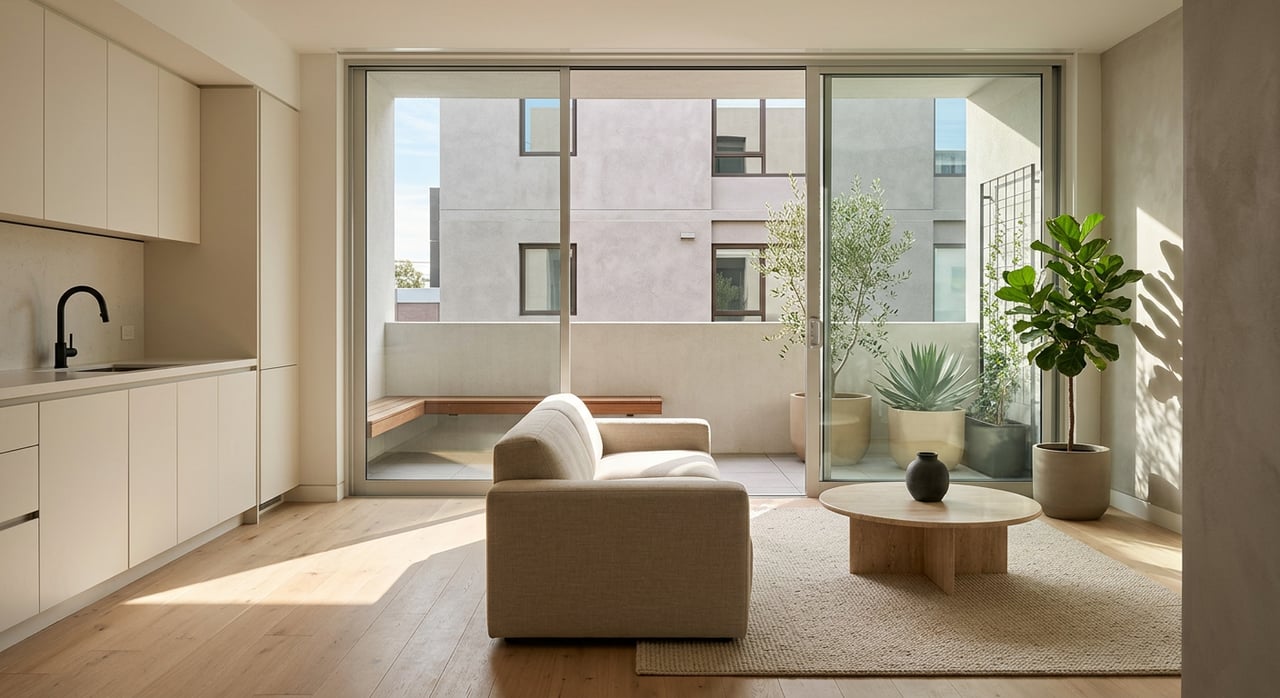
How To Choose The Right Westwood Condo
March 5, 2026
March 5, 2026
Buying a condo in Westwood can feel exciting and overwhelming at the same time. Between Wilshire Corridor towers, classic mid‑century buildings, and UCLA‑adjacent options, each choice affects your lifestyle, budget, and long‑term value. You want clarity on what really matters, not just glossy amenities. This guide shows you how to compare buildings, read HOA health, check safety and retrofit status, confirm financing, and plan for resale. Let’s dive in.
Begin by mapping what you value most. Do you want walkability to UCLA and Westwood Village, quick access to Century City and the Westside job hubs, or a quieter pocket with stronger parking and storage? Your daily routine, commute, and noise tolerance should guide the shortlist.
Transit matters too. Metro’s D Line extension will improve access to the Westside, with Section 1 scheduled to open May 8, 2026 and later sections to Century City and Westwood/UCLA targeted for 2027. Stations within an easy walk may support demand and future resale, so review the latest milestones on Metro’s official project page for the D Line Extension.
Many 1950s to 1970s properties offer an easier entry price and a central Westwood location. Floor plans can be smaller and parking may be tighter. Mechanical systems like plumbing risers and roofs may be at mid‑to‑late life, which raises the chance of near‑term repairs or special assessments if reserves are thin.
Newer or renovated high‑rise buildings often offer concierge, valet, gyms, and stronger master insurance. HOA dues are usually higher because amenities and staffing are more robust. These properties tend to attract buyers who want turnkey living and a predictable maintenance structure.
Properties very close to campus can have a different rental mix and higher turnover. You may see tighter parking, more frequent moves, and rules that shape leasing activity. If proximity to UCLA is your priority, weigh the convenience against a busier environment and review rental policies carefully.
A condo’s true cost of ownership includes dues, insurance, and any special assessments. Healthy reserves, clear budgets, and stable governance reduce surprises.
Request these documents during your contingency period:
Watch for red flags:
Los Angeles requires seismic upgrades for many pre‑1978 wood‑frame buildings with tuck‑under parking. Confirm whether the building received an Order to Comply, has permits in process, or completed work. Construction can be noisy and costly, so verify timing and funding. Review the City’s soft‑story retrofit program.
Balconies, walkways, and stairs require periodic inspection and maintenance. Ask for any recent inspection reports or repair contracts and see how the reserve study budgets for these components. California’s reserve disclosure guidance lists typical building elements to include.
In older buildings, review minutes and vendor invoices for repeat leaks or slab issues. In mid‑ and high‑rises, elevator modernization can be a major cost, often planned years in advance and sometimes funded by assessments. Cross‑check the reserve schedule for roof, elevator, HVAC, and plumbing timelines in the DRE guidelines.
Ask if the HOA carries earthquake insurance and what the deductible is. Large deductibles can become owner loss assessments after a claim. Clarify whether the master policy is bare‑walls or all‑in, then price an HO‑6 policy with loss‑assessment coverage. For definitions and coverage types, see this condo insurance guide.
Lenders evaluate the entire project, not just the unit. Project health affects your loan options today and your buyer pool later.
Bottom line: a professionally managed building with current reserve studies, strong insurance, and clear records is usually easier to finance and more liquid on resale.
If you plan to rent your unit, confirm the building’s rental caps and minimum lease terms. Many Westwood addresses built on or before October 1, 1978 may fall under the City of Los Angeles Rent Stabilization Ordinance when units are rented, which sets rules for increases and registrations. Review the city’s RSO overview.
Leasing demand near UCLA is typically strong thanks to students, faculty, and nearby medical centers. Early‑2026 summaries from rental research sites show Westwood median asking rents roughly in the 3,400 to 3,700 dollars per month range across unit types, though exact figures vary by bedroom count and building. For a current snapshot, see Zumper’s Westwood rent research.
Use this quick list to stay organized during diligence:
Documents to order
Questions to ask the HOA or manager
Inspections to schedule
Choosing the right Westwood condo is part numbers, part nuance. You want clean records, predictable costs, and a location that fits your day‑to‑day life. A seasoned local advisor can pressure‑test HOA budgets, coordinate inspectors, confirm retrofit and permit status, and align your lending and insurance strategy with the building’s profile.
If you want a concierge, relationship‑first experience backed by a deep vendor network and off‑market access, connect with Lauren Ravitz. You will get neighborhood expertise, hands‑on guidance through HOA due diligence, and a clear plan from offer to closing.
Stay up to date on the latest real estate trends.
Lauren delivers a full-service package to each of her clients with her connections to local businesses and influential people, with a finger on the pulse of the Los Angeles lifestyle, and with the outstanding resources at Berkshire Hathaway HomeServices. Lauren holds her relationships with clients in high regard and does so with honesty, integrity, and confidentiality.
11677 San Vicente Blvd Suite 307 Los Angeles CA 90049