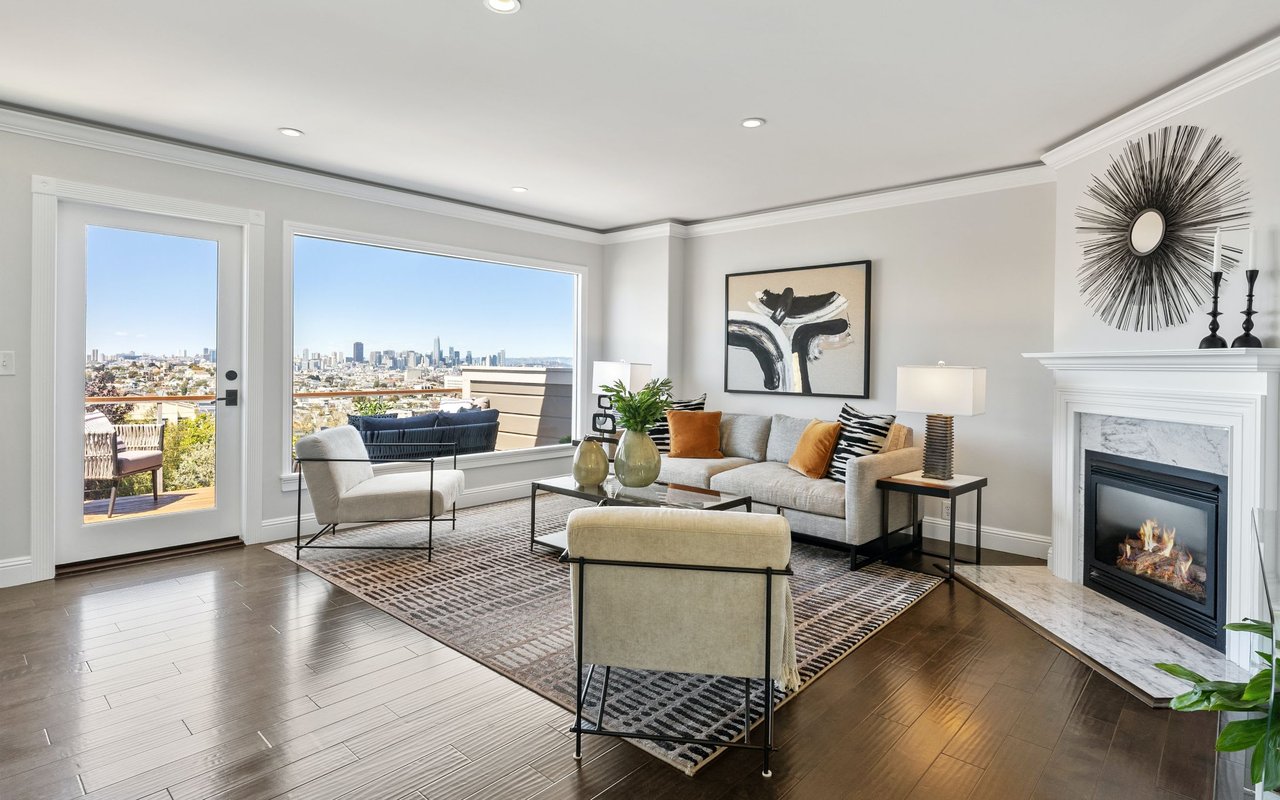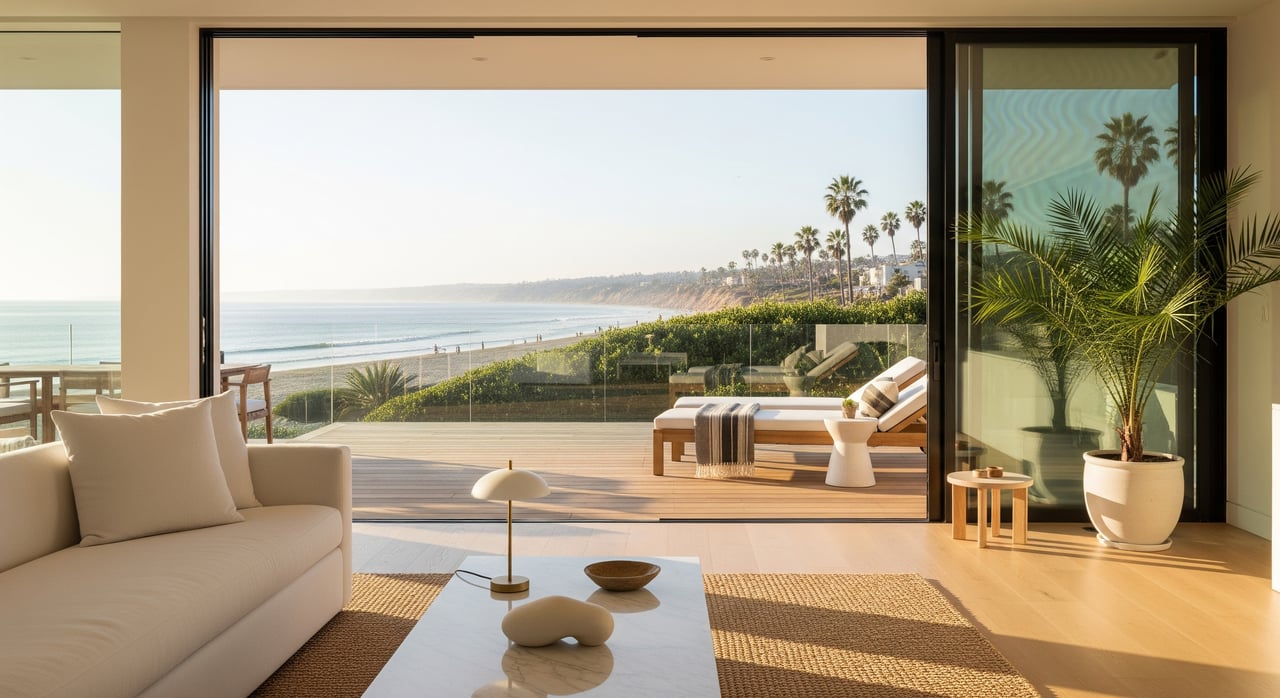
Modern living room opens onto a terrace overlooking a beach and palm-lined coastline.

Living in Santa Monica: A Lifestyle Overview

November 21, 2025

Is your ideal day a morning beach walk, a quick espresso on a tree-lined avenue, and dinner steps from home? If Santa Monica is on your radar, you’re not alone. Choosing where to land here can feel exciting and a little overwhelming given the mix of neighborhoods, housing options, and local rules. In this guide, you’ll get a clear picture of daily life, from beaches and parks to transit, schools, and buyer or renter considerations. Let’s dive in.

Santa Monica in a snapshot

Santa Monica is a compact coastal city on LA’s Westside centered around a public beachfront and a highly walkable downtown. You get year-round access to sand, surf, and outdoor recreation alongside a strong dining and arts scene. With the beach, retail, and cultural venues close together, daily errands can feel simple.

The city’s core offers a lively atmosphere near the Pier and Promenade, while the northern and inland residential pockets feel quieter. Housing ranges from single-family homes on leafy streets to ocean-view condos with concierge-style amenities.

Beaches and outdoor life

Santa Monica State Beach is the city’s front yard, with space for swimming, surfing, paddleboarding, volleyball, and sunbathing. The Marvin Braude Bike Trail, also called The Strand, runs along the sand and connects you south to Venice and north toward Pacific Palisades. It’s a favorite for cycling, running, and weekend strolls.

Along the bluffs, Palisades Park delivers panoramic ocean views, lawns, and benches that make an easy daily routine of fresh air and sunsets. Near the Civic Center, Tongva Park offers modern landscaping, seating, and community programming. The Annenberg Community Beach House adds a pool and public activities, and you’re a short drive from trailheads in the Santa Monica Mountains when you want canyon hikes.

Dining, shopping, and culture

Downtown’s Third Street Promenade and Santa Monica Place anchor shopping and dining with a mix of national brands and local spots. Ocean Avenue brings hotel and waterfront dining with premium views. For a calmer vibe, Montana Avenue features independent boutiques and cafes, while Main Street near Ocean Park has a village feel with coffee shops, eateries, and surf and outdoor retailers.

Santa Monica’s food scene ranges from casual beach fare to chef-driven concepts with healthy and global flavors. Multiple year-round certified farmers markets are a local staple, supplying fresh produce and creating a weekly community rhythm. For the arts, Bergamot Station offers galleries and creative businesses, and The Broad Stage at Santa Monica College hosts music, theater, and dance.

Neighborhoods at a glance

Santa Monica is small but varied in feel. Here’s a quick guide to help you focus your search:

North of Montana

  • Character: Tree-lined residential streets with a quieter atmosphere and boutique retail on Montana Avenue.
  • Housing: Primarily single-family homes, including period bungalows, Spanish and Craftsman styles, and modern reimagined properties. Inventory is limited and turnover is low.
  • Who it suits: Buyers seeking a neighborhood feel, parks, and proximity to coastal amenities.

Mid-City

  • Character: Mixed residential intensity with easy access to services, Santa Monica College, and transit.
  • Housing: A blend of apartments, condos, multifamily buildings, and smaller single-family homes.
  • Who it suits: Renters, commuters, students, and professionals looking for more value relative to the beachside premium.

Ocean Avenue and Downtown condo corridor

  • Character: High walkability near the Pier and Promenade with mid-rise and high-rise buildings.
  • Housing: Condominiums and luxury towers with ocean views, doormen, and robust HOA services.
  • Who it suits: Professionals and downsizers who want views, easy maintenance, and a car-light lifestyle.

Ocean Park, Sunset Park, and Pico

  • Character: Eclectic coastal pockets with cottages, duplexes, and smaller condo buildings, plus Main Street’s local retail.
  • Housing: A range of historic small homes and newer multi-unit developments.
  • Who it suits: Locals seeking beach proximity without Ocean Avenue pricing and a creative, small-business energy.

Buying or renting: key considerations

Santa Monica is a high-demand, limited-supply market. Coastal access, amenities, and proximity to employment hubs keep prices and rents above broader county averages. If you’re buying, plan for competition on well-located homes and for premium pricing on ocean-view properties.

  • Single-family homes: Scarce near the coast and often command top dollar. Expect lower turnover in the most coveted pockets.
  • Condominiums and co-ops: Common near Ocean Avenue and downtown. Review HOA dues, reserves, rules, and building insurance carefully, especially in older or oceanfront buildings where exposure can affect costs.
  • Apartments and multifamily: Numerous in Mid-City and parts of Ocean Park. Many older rental buildings are subject to local rent control rules.
  • New construction and infill: Projects are shaped by city planning and the Coastal Zone’s policies. Newer builds often carry price premiums for modern amenities.

Local rules to know

Santa Monica has local laws that shape how properties can be used. If you’re buying, renting, or investing, build these into your planning timeline.

  • Rent control and tenant protections: An independent Rent Control Board administers local rules that apply to many multi-unit buildings. These policies influence rent growth and lease terms.
  • Short-term rentals: The city strictly regulates short stays. Generally, rules tie legal hosting to a primary residence with registration and permit requirements. Verify the current ordinance before you invest with rental income assumptions.
  • Coastal regulation: Portions of the city are in the Coastal Zone, which can affect permitting for new construction and projects that impact shoreline access.

Hazards and insurance

Coastal living comes with unique considerations. Properties closest to the beach can face long-term sea-level rise and erosion concerns. Flood risk varies by block and elevation, and earthquake risk is a statewide factor. For any property, especially older buildings, evaluate seismic retrofits and the availability and cost of earthquake and flood coverage. Insurance premiums and insurability may differ for oceanfront or low-lying homes.

Getting around

Downtown Santa Monica is the western terminus of the Metro E Line, which connects you to Culver City and into Downtown LA. Big Blue Bus operates frequent routes across the Westside, making car-light living realistic in central areas. Cycling and walking are common for short trips, and many residents plan errands around neighborhood corridors.

If you drive, you’ll use I-10 and major streets like Lincoln and Pico. Visitor activity can make parking near the coast competitive during peak hours. Many condos include assigned parking, but always confirm availability and HOA policies.

Schools and education

Public K-12 schools are served by the Santa Monica-Malibu Unified School District. School assignments can influence neighborhood choices, and specific options depend on your address. Santa Monica College is a major community college near downtown, adding educational and cultural programming and supporting a steady local rental demand. Private schools and preschools are available throughout the city.

Quality-of-life realities

  • Visitor activity: Downtown, the Promenade, and the beachfront draw heavy seasonal crowds. Expect more street activity, noise, and parking demand in these areas, especially in summer and on holidays.
  • Homelessness: The city has a visible homeless population and active programs in place. Conditions vary by block and time of day.
  • Safety and crime: Santa Monica is considered relatively safe compared with many areas of LA, but property crimes like vehicle break-ins and petty theft can occur in busy visitor zones.

Who Santa Monica fits

  • Coastal lifestyle seekers who want daily beach access, outdoor recreation, and walkable dining and retail.
  • Professionals in tech, media, and creative fields who value proximity to Westside job centers and amenities.
  • Downsizers and empty-nesters who prefer condo living with HOA-managed maintenance and access to cultural programming.
  • Active families who prioritize parks, beaches, and access to reputable public and private school options.

Lifestyle tradeoffs to weigh

  • Cost: Purchase prices, HOA dues, and rents are higher than many LA neighborhoods.
  • Crowds: Expect visitor and event activity near the beach and downtown.
  • Inventory: Single-family homes near the coast are limited, and bidding can be competitive.
  • Regulations: Rent control and strict short-term rental rules shape investment strategies. Coastal permitting can add time to remodels.
  • Environmental exposure: Sea-level rise, erosion, and seismic risks require thoughtful due diligence and insurance planning.

Next steps and how to choose your fit

Start with your lifestyle priorities and budget, then match them to the neighborhood profiles above.

  • Want maximum walkability and views? Focus on the Ocean Avenue and downtown condo corridor.
  • Prefer a quieter residential feel with retail nearby? Explore North of Montana.
  • Need value and access to services or SMC? Look in Mid-City.
  • Like eclectic blocks and beach proximity without the Ocean Avenue premium? See Ocean Park, Sunset Park, and Pico.

If you plan to buy a condo, line up an HOA document review early and budget time to evaluate reserves, insurance, and any special assessment history. For older buildings, verify seismic retrofits and major system updates. If you’re investing, model returns with rent control and short-term rental restrictions in mind.

When you are ready to tour homes or compare micro-locations block by block, a local advisor can help you weigh tradeoffs and uncover opportunities that fit both your lifestyle and financial goals. For a concierge process, market intel, and off-market access, connect with Lauren Ravitz.

FAQs

Is living near the Santa Monica Pier right for me?

  • Expect high walkability, easy beach access, and a lively atmosphere with seasonal crowds, more noise, and competitive parking during peak times.

Which Santa Monica area balances walkability and quiet?

  • North of Montana offers a calmer residential feel with walkable Montana Avenue retail, while the Ocean Avenue corridor maximizes walkability but has more visitor traffic.

How does Santa Monica rent control affect renters and buyers?

  • Many older multi-unit rentals fall under local rent control, shaping rent increases and lease terms; buyers of income property should model cash flow conservatively.

What should I know about short-term rentals in Santa Monica?

  • The city strictly regulates short-term stays, typically requiring primary residence hosting and permits; verify current rules before planning STR income.

How do commute options compare in Santa Monica?

  • The Metro E Line links Downtown Santa Monica to Culver City and Downtown LA, Big Blue Bus serves the Westside, and driving relies on I-10 and major arterials.

What should condo buyers review in Ocean Avenue buildings?

  • Review HOA dues, reserves, insurance coverage, special assessment history, building upgrades, and any seismic retrofit status before you write an offer.

What hazard and insurance issues should coastal buyers weigh?

  • Consider sea-level rise, erosion, flood risk by block, statewide earthquake risk, and the availability and cost of earthquake and flood insurance.

Are there farmers markets and cultural events year-round?

  • Yes, multiple certified farmers markets operate year-round, and cultural programming spans Bergamot Station, The Broad Stage, and seasonal outdoor events.

Work With Lauren

Lauren delivers a full-service package to each of her clients with her connections to local businesses and influential people, with a finger on the pulse of the Los Angeles lifestyle, and with the outstanding resources at Berkshire Hathaway HomeServices. Lauren holds her relationships with clients in high regard and does so with honesty, integrity, and confidentiality.