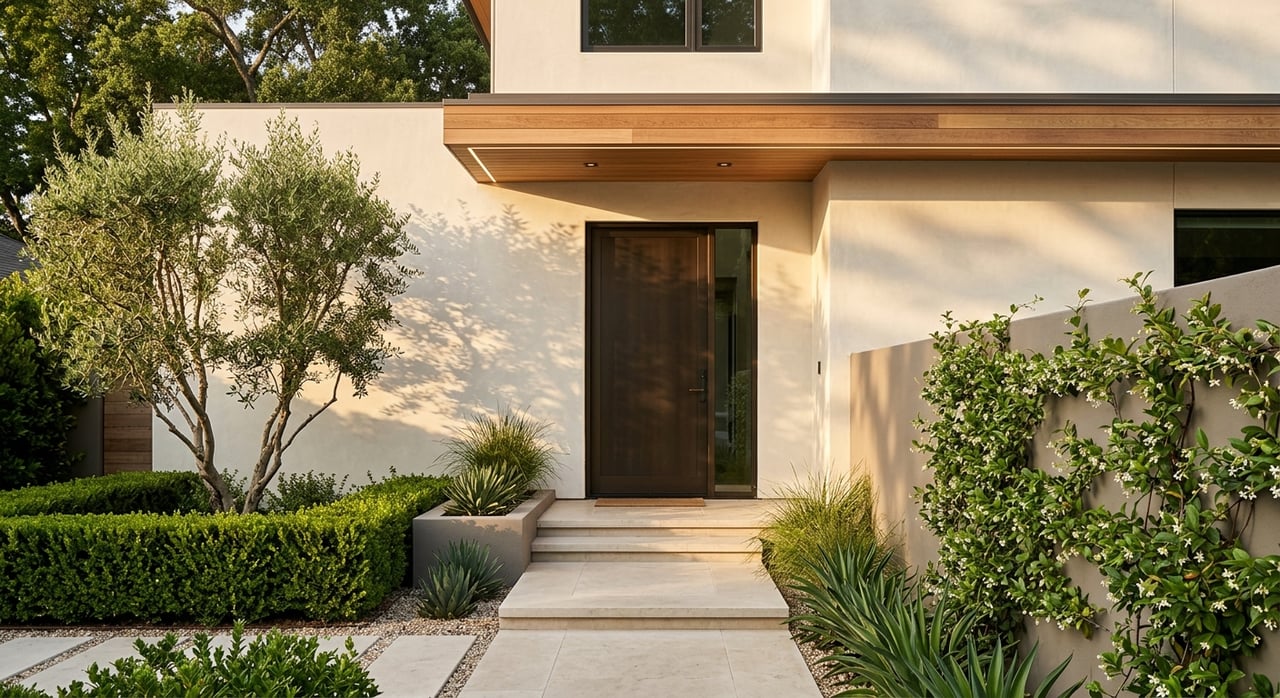
Pacific Palisades Living: From Village To Bluffs
April 23, 2026
April 23, 2026
Looking for a Pacific Palisades lifestyle that feels both connected and distinctly local? This coastal Los Angeles community has long stood out for its blend of residential streets, ocean views, hillside settings, and a compact daily-life center known as the Village. If you are considering a move here, it helps to understand how the Palisades shifts from one micro-area to the next, especially as the community continues its recovery and rebuild. Let’s dive in.
Pacific Palisades is a primarily residential community in the northwest portion of Los Angeles City Council District 11, with single-family homes, condominiums, apartments, and a small business core at the center known as the Village. The city also points to parkland, hiking trails, and ocean views as defining features of daily life in the area. You can see that overview on the City of Los Angeles neighborhood page for Pacific Palisades.
Geography plays a major role in how the neighborhood feels. According to the LAPD’s 2025 Palisades Fire report, Pacific Palisades rises from the beach into the hills and is accessed mainly from Pacific Coast Highway and Sunset Boulevard. That layout helps explain why the area often feels like a collection of smaller communities rather than one uniform district.
The same report identifies several prominent neighborhoods, including Palisades Highlands, the Alphabet Streets, El Medio Bluffs, Marquez Knolls, the Via Bluffs, Castellammare, Ridgeview Country Estates, and Huntington Palisades. For buyers, that means your experience can change significantly depending on street pattern, elevation, views, and access. In Pacific Palisades, location is not just about the ZIP code. It is also about topography and day-to-day convenience.
For many residents, the Village is the practical center of Pacific Palisades. It has historically served as the place where shopping, dining, errands, and community routines come together in one walk-oriented setting. The city also lists the Palisades Branch Library and the Sunday farmers market as part of this central area’s everyday appeal.
Caruso’s Palisades Village remains the downtown retail anchor, even as it moves through recovery. The official Palisades Village site says the center is currently closed and is expected to reopen in 2026, with reporting indicating a mid-2026 target. Before the closure, the development helped define the Village with retail, dining, and entertainment options.
Even in transition, the Village still represents the heart of the community. It is the part of Pacific Palisades many people picture first because it ties together services, gathering places, and a walkable rhythm that can be harder to find in larger hillside or bluffside sections. If you value a closer-in feel, understanding your distance to the Village can be an important part of your home search.
One of the most important things to know about Pacific Palisades is that it is not one-note. The neighborhood changes block by block, and those differences shape home style, lot pattern, and daily routine.
The Alphabet Streets are among the most recognizable micro-areas in the Palisades. A Los Angeles Planning staff packet notes that this section of Founders’ Tract 1 was laid out in smaller lots on a grid and became known as the Alphabet Streets because the roads were named in alphabetical order for religious leaders.
This area is often associated with early tract character and a more central feel within Pacific Palisades. If you are looking for a setting that may feel closer to the Village and more tied to the original neighborhood fabric, this is one of the key areas to study. Street-by-street variation still matters, but the underlying pattern is part of what gives the area its identity.
Huntington Palisades offers a different experience. According to a city planning report on the Brentwood-Pacific Palisades districts, it is an early 20th-century subdivision of about 226 acres on a gently sloping mesa above the coastline.
The same report describes broad meandering streets, original eucalyptus trees, and a private park, along with early Spanish Colonial Revival homes and later Ranch-style residences. In practical terms, Huntington Palisades is often associated with a quieter, more residential atmosphere and a larger-lot feel. For buyers who want a more expansive streetscape and a classic bluff-top setting, it is often one of the first areas to compare.
The Riviera has its own identity within the broader Palisades area. The same planning survey says it was envisioned as an affluent suburb influenced by Italian and French architecture, with curving streets that follow the land and landscaping intended to reduce traffic noise.
The nearby Riviera Country Club, which opened in 1927, became a defining anchor for the area. From a lifestyle standpoint, the Riviera generally reads as more estate-oriented and less village-centered. If your priorities include architectural presence, a more winding layout, and a tucked-away feel, this area may stand out.
Pacific Palisades also includes bluffside and canyon neighborhoods where views, slope, and access patterns can shape the living experience just as much as the home itself. El Medio Bluffs is one example, identified in city planning materials as an area south of Sunset and west of Temescal that is associated with ocean views and nearby park access.
The Pacific Palisades Community Council area maps show how sharply the community can change around the Highlands, Temescal, Chautauqua, Will Rogers State Park, and the Riviera. For buyers, this is a helpful reminder that commute routes, grade changes, street width, and view corridors can all influence day-to-day livability. Two homes with the same mailing address can offer very different lifestyles.
Access to outdoor recreation remains one of the area’s biggest draws. Pacific Palisades has long been known for trails, coastal views, and nearby parks, which is part of what gives the community its distinct Westside lifestyle.
Will Rogers State Historic Park reopened on November 8, 2025, and offers hiking, horseback riding, and access to the Backbone Trail, although the visitor center is still being restored. The same California State Parks page also notes that Will Rogers State Beach includes more than 3 miles of frontage and about 103 acres, though some parking remains closed during wildfire recovery.
That same state parks source describes Topanga State Park as the world’s largest wild land within a major city, with 36 miles of trails. At the same time, access is not uniform across the area right now. Temescal Gateway Park is currently closed, so if outdoor access is high on your list, it is worth checking current conditions as part of your search.
For many households, schools are part of the broader decision-making process around Pacific Palisades. The city’s Pacific Palisades neighborhood page lists public-school options in and around the area, including Palisades Charter Elementary, Marquez Charter Elementary, Paul Revere Charter Middle, and Palisades Charter High, along with several private schools.
Current school operations also reflect the area’s recovery context. Palisades Charter Elementary says it is rebuilding, while reporting in the research materials notes that Marquez Charter Elementary has been using temporary facilities during reconstruction and that Palisades Charter High’s homepage states an independent review confirmed the campus is safe to reopen.
That does not tell you which school is right for your household, but it does show how recovery timelines may shape daily routines in the near term. If schools are part of your move, current operational details are worth reviewing early.
Any current look at Pacific Palisades needs to acknowledge the lasting impact of the January 7, 2025 Palisades Fire. According to the LAPD after-action report, the fire burned 23,448 acres over 24 days, forced more than 60,000 evacuations, destroyed more than 6,000 structures, and heavily affected the Village, Via Bluffs, Huntington Palisades, and the Alphabet Streets.
For buyers and sellers, that context matters. It affects inventory patterns, rebuilding activity, access, timelines, and the way people evaluate location within the community. It also means neighborhood knowledge is especially important right now, because one section may be on a very different path than another.
If you are exploring Pacific Palisades, this is where local guidance becomes especially valuable. Understanding the difference between village-adjacent blocks, bluffside streets, and hillside enclaves can help you make a more confident decision and avoid broad assumptions about the market.
If you are considering Pacific Palisades, keep your search centered on how you actually want to live day to day. The neighborhood offers variety, but that variety works best when matched to your priorities.
A few practical factors to compare include:
In a market with this many micro-neighborhoods, broad labels only go so far. A concierge service and true neighborhood expertise can help you compare options with more clarity, especially if you are relocating, looking for a second home, or trying to secure off-market access.
Pacific Palisades remains one of the Westside’s most distinctive communities because it offers multiple versions of coastal Los Angeles living in one place. From the Village to the bluffs, the right fit often comes down to street-level details, timing, and a clear understanding of how each area functions today. If you want tailored guidance on Pacific Palisades or another Westside neighborhood, Lauren Ravitz offers a discreet, relationship-driven approach backed by deep local insight, concierge service, and strategic support for both buyers and sellers.
Stay up to date on the latest real estate trends.
Lauren delivers a full-service package to each of her clients with her connections to local businesses and influential people, with a finger on the pulse of the Los Angeles lifestyle, and with the outstanding resources at Berkshire Hathaway HomeServices. Lauren holds her relationships with clients in high regard and does so with honesty, integrity, and confidentiality.
11677 San Vicente Blvd Suite 307 Los Angeles CA 90049