Santa Monica Condo Amenities And HOAs: What Buyers Should Understand
July 16, 2026
July 16, 2026
Buying a Santa Monica condo can feel exciting right up until the HOA documents land in your inbox. A beautiful pool, concierge desk, fitness center, or rooftop deck may look like a major perk, but those features also affect your monthly dues, reserve funding, and future repair costs. If you are weighing condo options near the coast, understanding how amenities and HOAs work can help you make a more confident decision. Let’s dive in.
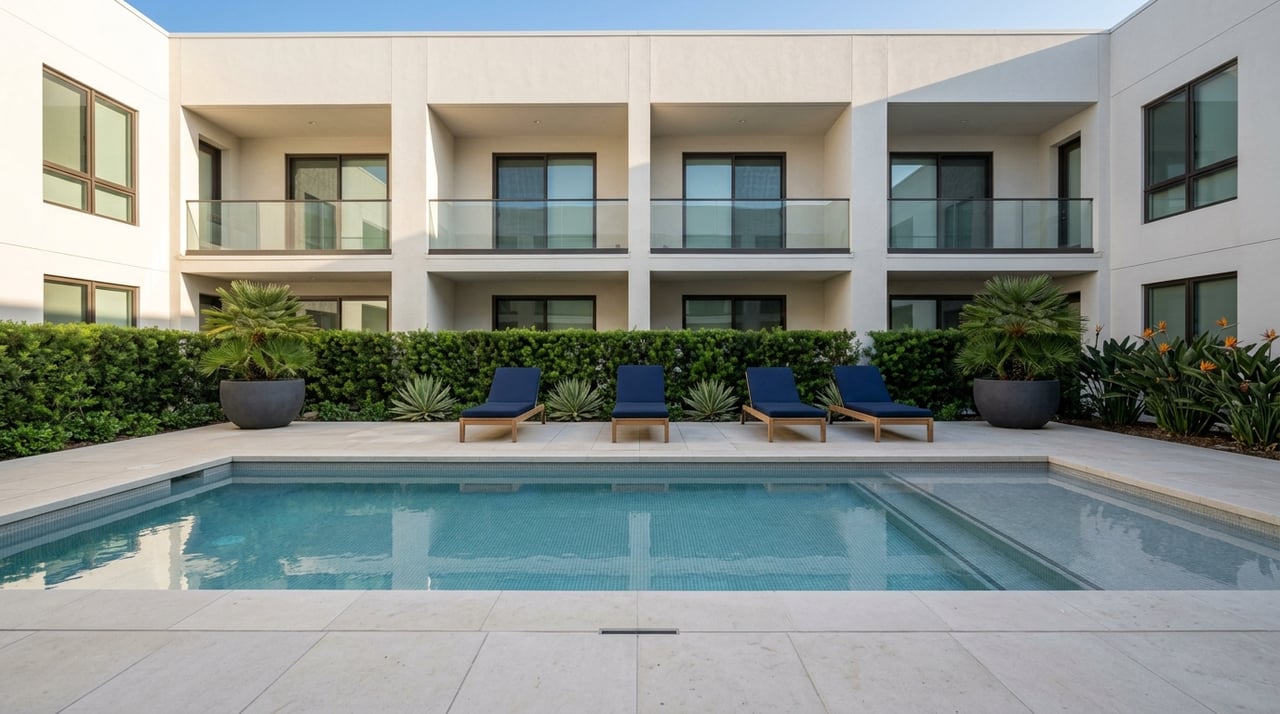
In Santa Monica, condo amenities often shape both your lifestyle and your carrying costs. California common interest developments can range from smaller communities with simple shared spaces to larger buildings with features like pools, spas, fitness centers, guest parking, concierge service, or security.
That means the question is not just what looks appealing during a showing. It is whether you will use those amenities often enough to justify the dues and long-term upkeep that come with them.
Santa Monica condo buildings may include amenities such as:
Some local buildings advertise several of these features together. For example, 101 Ocean has promoted a garden courtyard, pool, private hot tub, concierge, and fitness center. That kind of package can be attractive for buyers who want convenience and a more service-oriented living experience.
Amenities are not just perks on a marketing sheet. In California, shared features like balconies, decks, walkways, railings, and related waterproofing systems may require periodic inspection and repair.
For you as a buyer, that matters because outdoor amenities can affect reserve planning and future costs. A rooftop deck or balcony may add real lifestyle value, but it can also become a major maintenance item the HOA needs to budget for over time.
When you buy a condo in California, HOA membership comes with the property automatically. It is not optional, and it cannot be separated from ownership.
That means you are not only buying your unit. You are also stepping into a shared governance structure with rules, obligations, and financial responsibilities.
The HOA’s main governing documents usually include:
These documents can affect everyday living more than many buyers expect. Rules may address parking, pets, balcony use, landscaping, noise, and other quality-of-life issues, so it is important to read the actual documents instead of relying on a property brochure.
The HOA board is responsible for budgets, maintenance, bills, and rule enforcement. A board may hire a professional management company, but the board still remains responsible for the community.
That also means the HOA can enforce its rules. Under California guidance, associations may fine owners, suspend rights, or deny access to common-area amenities when rules are violated.
It is easy to focus on mortgage payments when you buy a condo, but HOA dues are part of the total cost of ownership. The California Department of Real Estate advises buyers to think about dues alongside mortgage payments, insurance, taxes, repairs, upgrades, and ongoing maintenance.
In other words, a lower-priced condo with high dues may not feel cheaper month to month. And a building with many amenities may come with a very different cost structure than a simpler building nearby.
HOA dues can support a mix of operating and long-term building needs, such as:
The exact coverage varies by building, which is why one of the smartest questions you can ask is simple: What do the dues actually pay for?
One of the most important parts of condo review is the HOA’s reserve funding. California requires qualifying associations to perform a visual inspection of major components at least once every three years, review the reserve study annually, and prepare a funding plan for major components with 30 years or less of remaining life.
The reserve funding disclosure also projects reserve balances for the next five budget years. That gives you a clearer sense of whether the HOA appears to be planning ahead or just reacting to problems.
The California Department of Real Estate has issued a consumer alert about underfunded homeowners associations. If reserves are too low, the HOA may struggle to handle major repairs without raising dues or imposing special assessments.
That does not automatically mean a building is a bad purchase. It does mean you should understand the numbers before you move forward.
If regular assessments are not enough, an HOA may levy special assessments for major repairs, replacements, or unexpected expenses. For buyers, this is one of the biggest reasons to look beyond the listing photos and monthly dues.
A building can seem attractive on the surface while still carrying future financial pressure. Reserve materials and budget disclosures can help you spot that risk earlier.
California requires associations to distribute an annual budget report within a defined timeline before the end of the fiscal year. That report can include valuable details about the HOA’s finances, reserves, deferred repairs, anticipated special assessments, loans, insurance summaries, and condominium FHA or VA status.
When a unit is being sold, California law also requires delivery of important association documents and disclosures. These materials can tell you far more than a marketing flyer ever will.
As part of your due diligence, consider reviewing:
Associations must provide requested documents within 10 days of a written request, and the fees for those documents must be reasonable, separately itemized, and separately billed.
Board minutes often give helpful context that glossy marketing materials cannot. They may show recurring maintenance concerns, amenity closures, ongoing disputes, or building-level issues that matter to your decision.
If you are comparing two similar condos, those details can sometimes help explain why one opportunity feels stronger than another.
If you are buying with future flexibility in mind, rental rules deserve extra attention. Santa Monica’s Housing Protection guidance says the city prohibits short-term vacation rentals of less than 30 days when the host does not live on site, allows home-sharing subject to regulations, and requires residential leases to have an initial term of at least one year.
That means you should not assume a condo can be used as a flexible short-term rental just because the building is desirable or close to the beach.
In Santa Monica, both city rules and HOA rules matter. An HOA may impose rental caps, minimum lease terms, or other leasing restrictions that are stricter than the city’s baseline rules.
If rental flexibility is important to you, make sure you review both the association documents and the city framework before making an offer.
Buildings with balconies, decks, walkways, and other exterior elevated elements deserve added scrutiny. California requires an inspection cycle for these features, with the first inspection deadline having begun by January 1, 2025, and repeat inspections every nine years after that.
For Santa Monica condo buyers, that makes exterior condition more than a cosmetic issue. It can affect timing, repair planning, reserve funding, and the possibility of future assessments.
If the building has completed its exterior elevated elements inspection, ask whether repairs were recommended and whether any work is still pending. If the report identifies issues, you will want to understand how the HOA plans to fund and schedule the repairs.
That context can help you evaluate whether the building is proactively maintained or facing a larger catch-up cycle.
Before you move forward on a Santa Monica condo, try to get clear answers to these questions:
These questions can help you compare not only units, but also the health and function of the communities behind them.
In Santa Monica, luxury and convenience can absolutely be part of condo living. Concierge service, pools, fitness centers, and outdoor spaces may add real value to your day-to-day life, especially if you plan to enjoy them often.
At the same time, the strongest purchase decisions usually come from looking beyond the surface. When you understand the HOA structure, reserve funding, rental restrictions, and inspection history, you are in a much better position to choose a condo that fits both your lifestyle and your long-term plans.
If you want thoughtful guidance as you compare Santa Monica condos, Lauren Ravitz offers concierge service, neighborhood expertise, and a high-touch approach tailored to Westside buyers.
Stay up to date on the latest real estate trends.

Lauren delivers a full-service package to each of her clients with her connections to local businesses and influential people, with a finger on the pulse of the Los Angeles lifestyle, and with the outstanding resources at Berkshire Hathaway HomeServices. Lauren holds her relationships with clients in high regard and does so with honesty, integrity, and confidentiality.
11677 San Vicente Blvd Suite 307 Los Angeles CA 90049