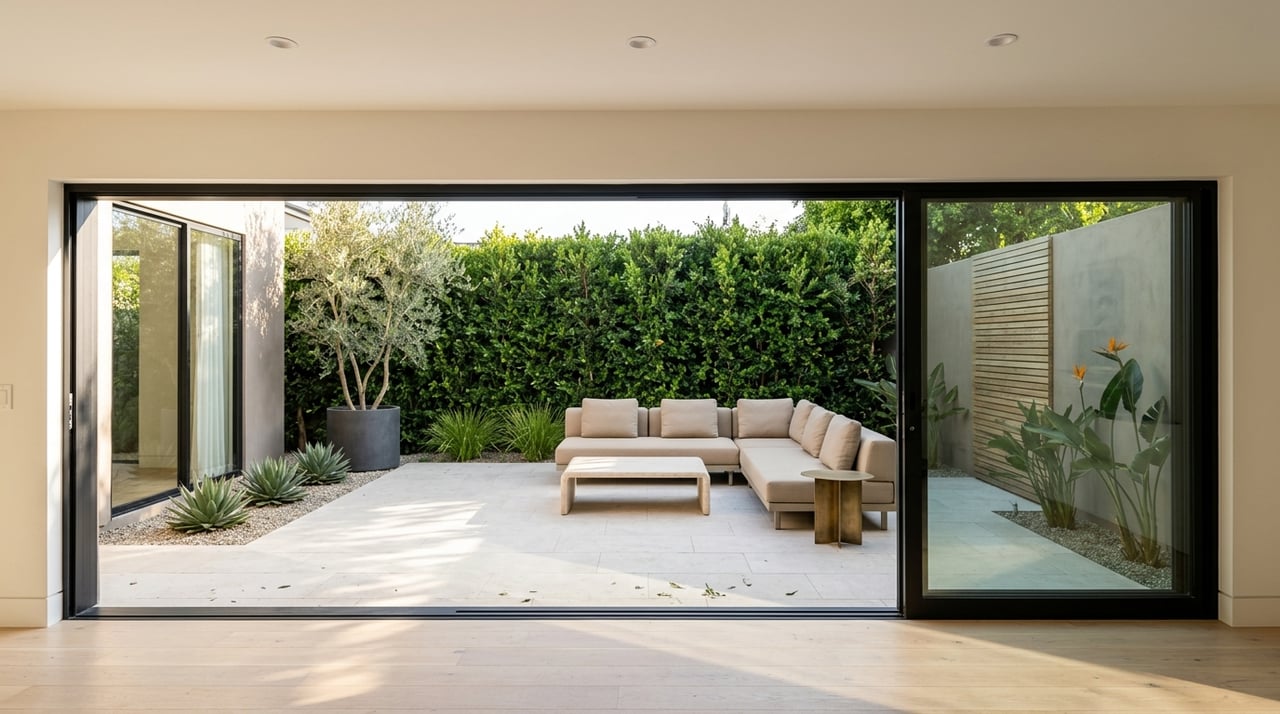
What It’s Like Living Near The Beach In Santa Monica
June 11, 2026
June 11, 2026
If you picture beach living as sleepy and tucked away, Santa Monica may surprise you. Living near the beach here means you get ocean air and easy shoreline access, but you also get a city that feels active, connected, and very much in motion. If you are considering a move to Santa Monica, it helps to understand both the appeal and the day-to-day realities. Let’s dive in.
Santa Monica State Beach stretches more than three miles across 245 acres, so the beach is not just a backdrop here. It is part of how many people structure their mornings, weekends, and even quick breaks in the middle of the day. The city also notes that access paths reach the water’s edge, and electric beach wheelchairs are available at several locations.
That easy access shapes the rhythm of life near the coast. You may find yourself walking the shoreline before work, biking along the beach path, or meeting friends outdoors instead of planning around indoor spaces. In Santa Monica, the beach often feels less like a special event and more like an everyday option.
One of the biggest things to understand is that beach living in Santa Monica is not the same as living in a quiet resort town. The city covers about 8.3 square miles and has around 93,000 residents, but daytime population swells to roughly 250,000 people, with more than 8 million annual visitors.
That shows up most clearly near the Pier and downtown. You get energy, foot traffic, and plenty of activity, especially in the most visible oceanfront areas. For some buyers, that buzz is part of the appeal. For others, it is an important tradeoff to think through before choosing how close to the shoreline you want to be.
Santa Monica’s weather is one reason beach living feels practical year-round. NOAA data for the Santa Monica Pier shows an annual mean temperature of 60.5°F, with monthly averages ranging from 55.8°F in January to 66.0°F in August. Annual precipitation is 12.17 inches, with most rain falling during winter.
In real life, that means the seasons are often defined more by marine layer, sunshine, wind, and crowd levels than by major temperature changes. If you enjoy walking, biking, outdoor dining, and running errands without planning around harsh weather, Santa Monica supports that kind of routine very well.
Living near the beach in Santa Monica can mean relying less on your car for everyday life. The city says its transportation network is built around multiple ways of getting around, and it has more than 100 miles of bikeways. As of 2022, 119 miles of the Bike Action Plan’s 187 miles had been built.
The city’s transportation reporting also shows a combined walking-and-biking commute rate of 12.4%. That is a meaningful detail if you want a neighborhood where local errands and outings can happen on foot or by bike.
Public transit is also part of the picture. Big Blue Bus serves a 58-square-mile area with 20 routes, and Metro’s E Line reaches Downtown Santa Monica, linking the city with the wider regional rail network.
For many residents, that means you can build daily life around nearby destinations and still keep strong regional access. If you work across the Westside or need to connect to other parts of Los Angeles, Santa Monica offers more transportation options than many beach communities.
Even with strong walkability and transit, parking is still a real lifestyle factor near the beach. Santa Monica offers day beach permits for city beach lots, and overnight beach resident and guest permits are limited to residents within a specific zone near the shoreline.
If you are home shopping close to the water, parking is worth reviewing carefully at the building or property level. In beach-close areas, the ease of everyday living often comes down to details like guest parking, permit eligibility, and how often you expect to drive.
A lot of buyers assume coastal housing in Santa Monica is mostly large ocean-view homes. In reality, the city’s Housing Element describes a much broader mix that includes single-unit dwellings, small-scale bungalows, courtyard apartments, condominiums, and other multi-unit housing types.
That variety is part of what makes Santa Monica distinct. Depending on your goals, you may find anything from a character-filled older residence to a lock-and-leave condo better suited to a second-home lifestyle or lower-maintenance ownership.
Ocean Park is one of the clearest examples of beach-adjacent character in Santa Monica. The city’s historic inventory notes that the area was initially developed in the late 19th century with vernacular beach cottages used as vacation rentals. One Ocean Park historic district is known for modest Craftsman bungalows with low-pitched roofs, wide front porches, and a mix of wood, stucco, and brick cladding.
That history still helps shape the feel of the area today. Rather than reading as purely resort-oriented, parts of Ocean Park feel established, layered, and neighborhood-scaled.
The Ocean Park Boulevard corridor also helps explain what daily life can look like near the beach. The city describes the area as home to schools, libraries, commercial districts, and Clover Park, with upgrades that include bike lanes, wider sidewalks, crosswalk improvements, and green street elements.
That matters because living near the beach in Santa Monica is not only about ocean views or quick access to the sand. It can also mean living in a place where practical daily needs, public spaces, and neighborhood-serving streets are part of the experience.
Beach proximity comes with benefits, but it also comes with a more public-facing environment. The Santa Monica Pier is a major destination, and the city’s noise program places the Pier in a distinct non-residential noise zone.
If you live very close to the oceanfront, you should expect more pedestrian traffic, visitor activity, and background noise than you would in a quieter inland pocket. For some people, that sense of motion is exciting and adds to the lifestyle. For others, it means choosing a location that is still beach-close but not directly in the busiest zone.
Another important reality is that living near the water can mean a more layered planning environment. Much of Santa Monica’s coastal area sits within the Coastal Zone, and the city says its Local Coastal Program governs projects such as residential development, transportation improvements, and outdoor dining while also protecting coastal resources and public access.
For buyers, that means ocean proximity can come with extra review considerations compared with inland neighborhoods. If you are thinking long term about updates, additions, or property changes, that planning context is important to understand early.
Climate and resilience planning are also part of the conversation. Santa Monica’s Climate Action and Adaptation Plan identifies coastal flooding and sea-level rise as major threats. The city has also used beach dune restoration as a buffer for homes, roads, bike paths, utilities, and parks.
That does not change the day-to-day appeal of living near the beach, but it does shape the long-term ownership picture. If you are buying close to the shoreline, resilience and future planning should be part of your decision-making along with lifestyle and design.
Santa Monica stands out because it feels like a compact urban center on the coast. It is bike-friendly, transit-connected, visitor-heavy, and mixed in housing types, which creates a different experience from more car-dependent or quieter beach settings.
If you want a lifestyle built around outdoor access, walkable local routines, and strong regional connectivity, living near the beach here can be a great fit. If you prefer more privacy, less activity, or a quieter street scene, the right choice may come down to selecting the right pocket within Santa Monica rather than simply aiming for the closest possible address to the water.
When you are weighing those tradeoffs, neighborhood expertise matters. If you are considering buying or selling on the Westside, Lauren Ravitz offers a concierge service grounded in local insight, thoughtful guidance, and a polished understanding of Santa Monica’s coastal housing market.
Stay up to date on the latest real estate trends.
Lauren delivers a full-service package to each of her clients with her connections to local businesses and influential people, with a finger on the pulse of the Los Angeles lifestyle, and with the outstanding resources at Berkshire Hathaway HomeServices. Lauren holds her relationships with clients in high regard and does so with honesty, integrity, and confidentiality.
11677 San Vicente Blvd Suite 307 Los Angeles CA 90049